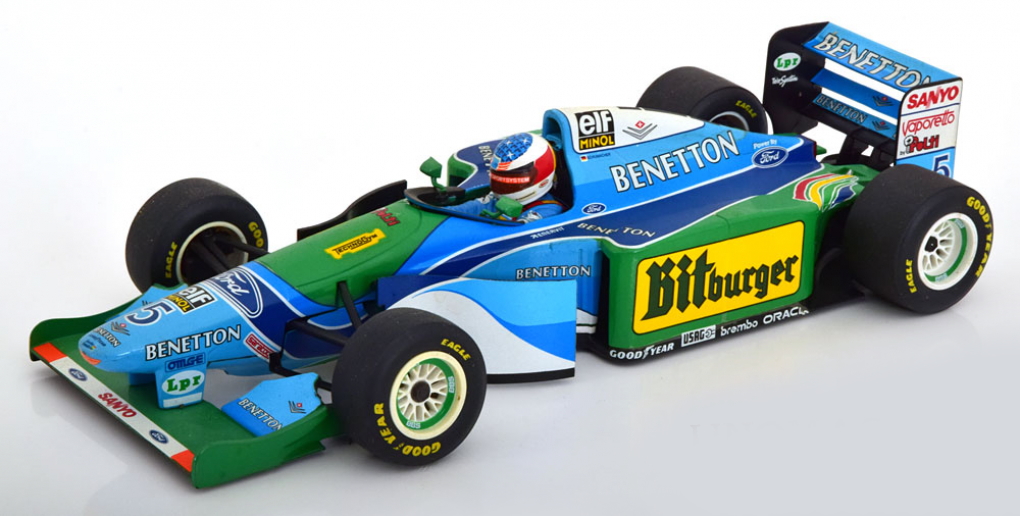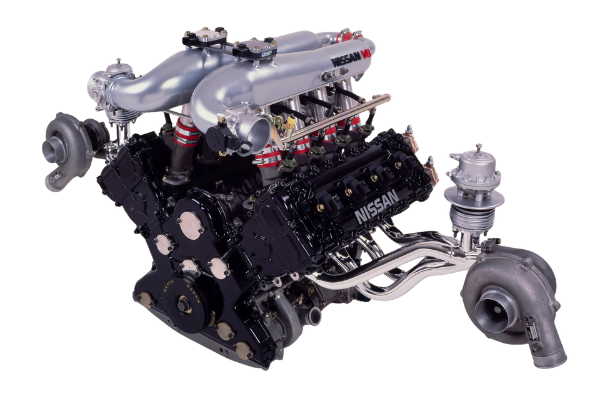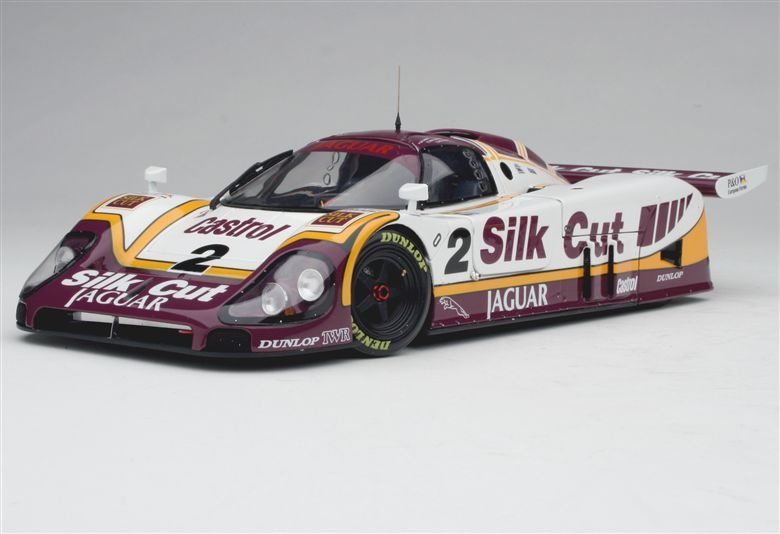
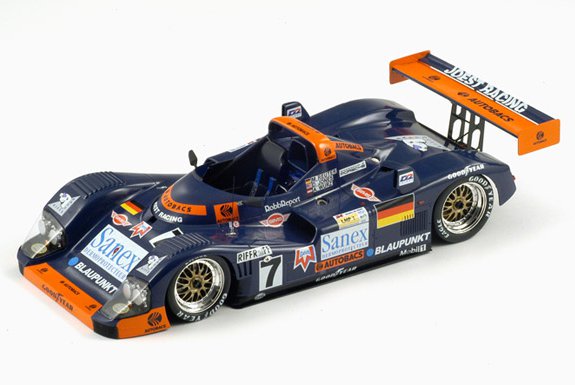
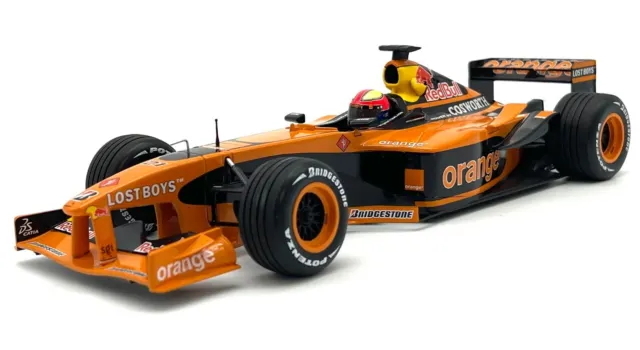
In 1996, Tom Walkinshaw acquired a controlling stake in the Footwork Formula One team, rebranding it as Arrows. The project ultimately struggled for success, recording no poles or race wins before the team folded in 2002.
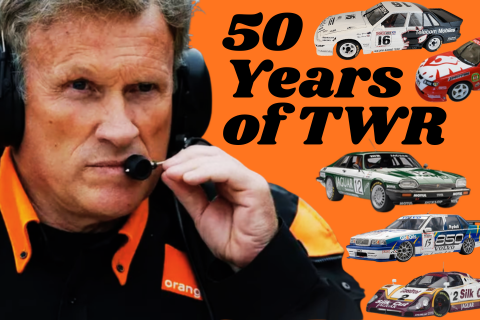
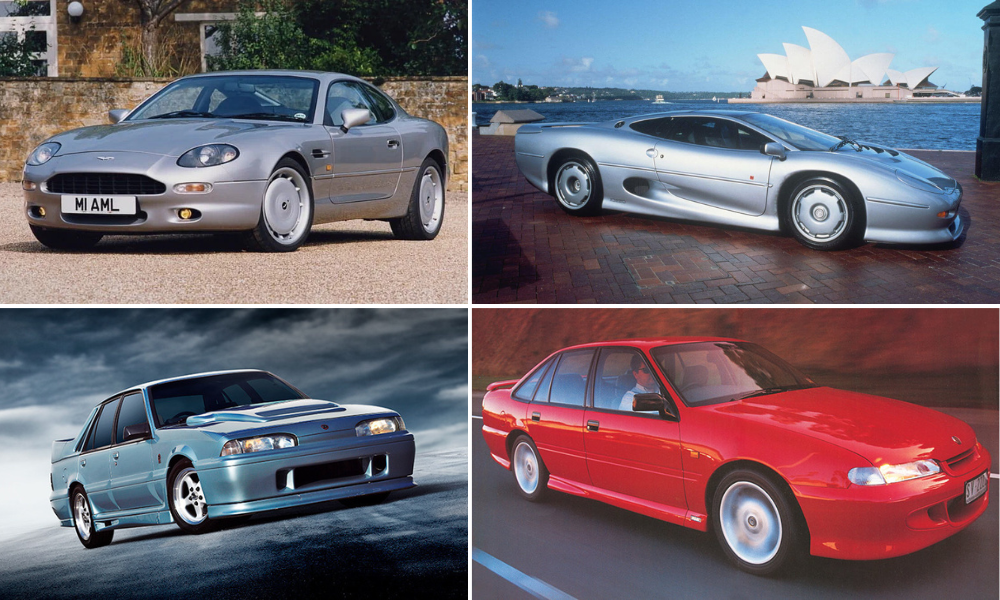
Founded in 1976 in England, Tom Walkinshaw Racing (TWR) celebrates 50 years this year as one of motorsport’s great powerhouses. More than just a racing team, TWR was also an engineering force, responsible for design classics like the Aston Martin DB7, Jaguar XJ220, and Australia’s own VL SS Group A Walkinshaw (aka "Plastic Pig") and VR HSV Clubsport and Senator.
From touring cars and endurance racing to Formula 1 and sports cars, TWR’s influence has been global. In Australia, Tom Walkinshaw helped shape a golden era for the Holden Racing Team.
TWR closed in 2002 with Tom sadly passing away in 2010, the Walkinshaw legacy continues through Tom’s son, Ryan, who now runs Walkinshaw TWG Racing among many other automative ventures.
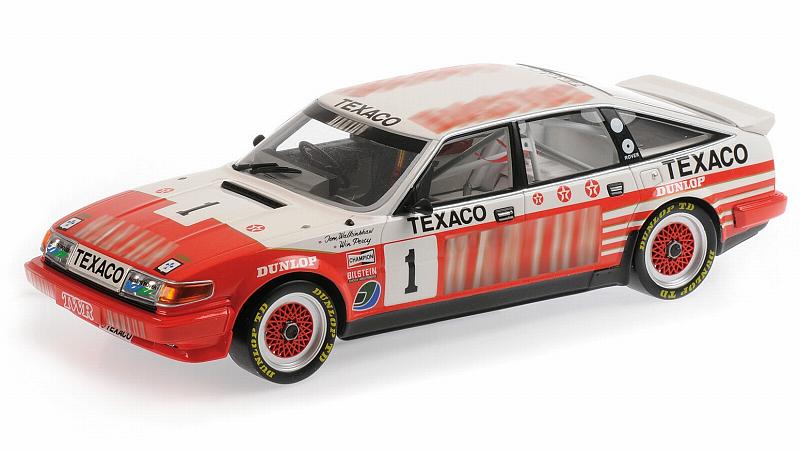
That legacy lives on in diecast form too. Below are some of the most significant TWR-related diecast models ever produced. Click on the description of each to learn more.
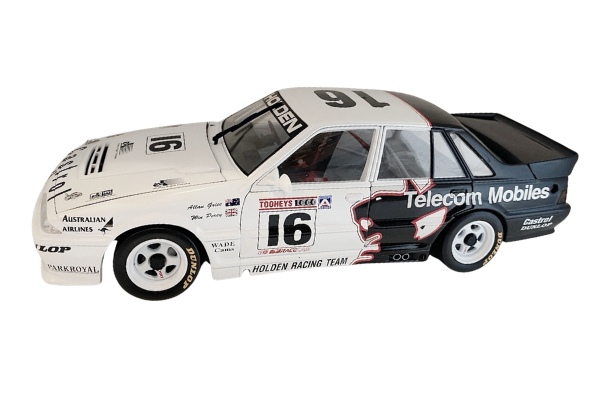
.png)
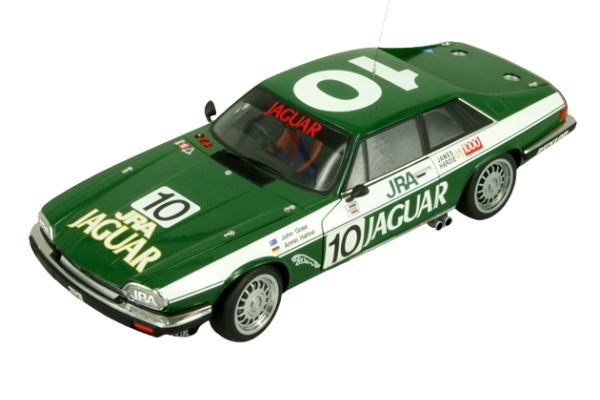
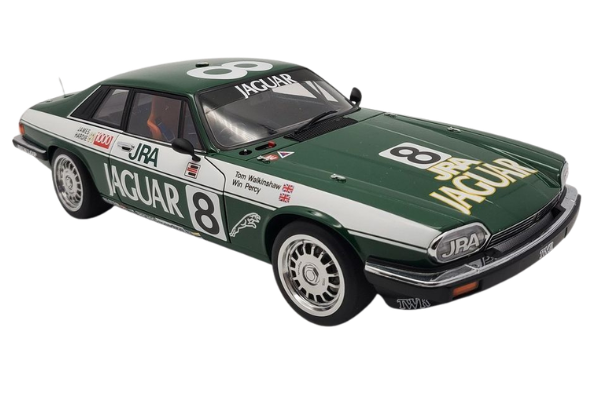
Ok, so it’s not a Bathurst winner — but it was the 1985 pole sitter and 3rd place finisher at the Great Race, steered by Tom himself, hence its inclusion.
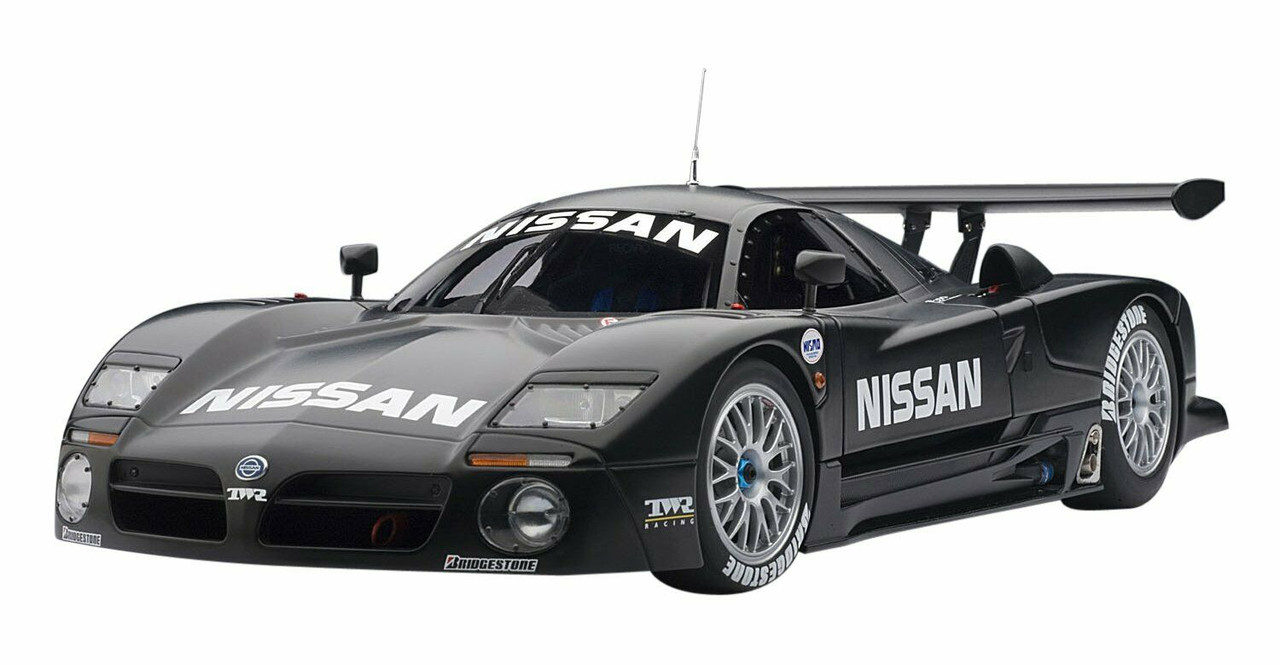 R390 GT1 Test Car (89778)
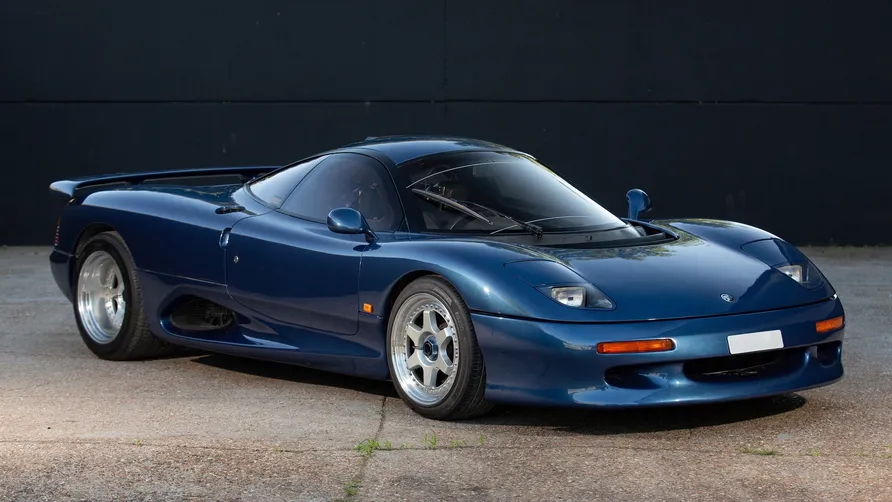 Jaguar XJR-15